
What is Coldhead Ratchetting & How to Fix It
Coldhead ratchetting indicates helium circuit contamination. Learn what causes it, why it's urgent, and how to fix it before your pump fails completely or causes more issues.
2 min read
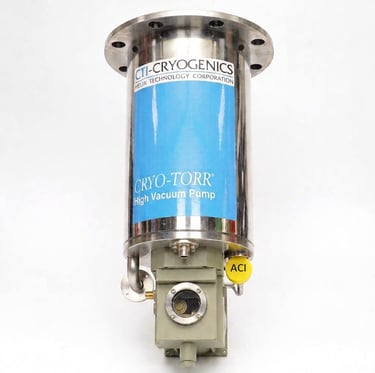
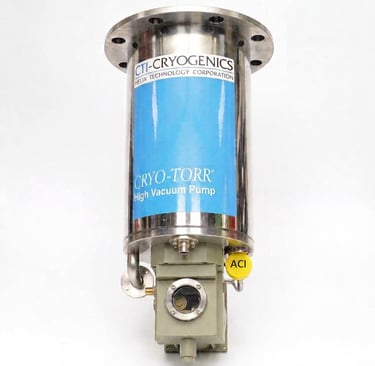
That clicking sound you hear from your cryopump isn't normal. It's a warning.
What is Ratchetting?
Ratchetting is the sound of the coldhead displacer trying to move but getting stuck partway through its stroke. Click, click, click - like a ratchet wrench. It happens when the helium inside the coldhead is contaminated with oil vapor or moisture, which prevents smooth piston movement.
The displacer is supposed to glide back and forth 60+ times per second. Contamination makes it stutter.
Why This Is Urgent
Ratchetting progresses. Here's the timeline:
Week 1: Intermittent clicking. You hear it during regeneration or under heavy load.
Week 2: Clicking becomes constant. Temperature starts to drift. Pumping speed drops.
Week 3: The displacer seizes. Temperature won't come back down. The pump stops cooling entirely.
Week 4: Permanent damage. You need a coldhead rebuild ($3,000-$5,000) or a full pump replacement ($15,000+).
The difference between a $2,000 fix and a $15,000 catastrophe is one week of action.
Root Cause: Oil in the Helium Circuit
Oil vapor gets into the helium circuit from:
Spent compressor absorber (most common)
The absorber traps oil vapor from the compressor outlet
After 12-18 months, it reaches capacity
Oil starts passing through into the helium lines and coldhead
Contaminated helium lines (second most common)
Old lines accumulate oil residue over years
Every time you regenerate the pump, warm helium flows backward through the lines
Oil vapor mobilizes and enters the coldhead
Moisture in the helium circuit (less common but serious)
Water trapped in low spots of lines or filters
Freezes on coldhead surfaces during operation
Acts like a blockage, preventing displacer movement
How to Fix Ratchetting
Step 1: Verify It's Ratchetting (Not Something Else)
Use WinOCC (On-Board models) or a stethoscope on the pump exterior. True ratchetting is a rhythmic clicking, not a grinding or vibration.
Step 2: Stop Using the Pump
Don't keep running it. Every cycle causes more contamination migration into the coldhead.
Step 3: Replace the Compressor Absorber
This is the most likely culprit and the easiest fix.
New absorber: ~$300-$500
Labor to swap it: ~$200-$400
Total cost: ~$500-$900
Time: 4-8 hours
Once the absorber is fresh, it will trap new oil vapor and prevent it from entering the circuit.
Step 4: Purge the Helium Circuit
Run the compressor alone (disconnected from the pump) for 30-60 minutes with a small tank or dry nitrogen flowing through. This helps push any residual oil vapor out of the lines.
Step 5: Inspect and Replace Helium Lines (If Needed)
If the lines are >5 years old or visibly contaminated with oil, replace them now. Contaminated lines will just re-contaminate the fresh coldhead.
New helium lines: $800-$1,500
Labor: $300-$600
Total: $1,100-$2,100
Step 6: Monitor After Repair
Once the absorber is new and lines are clean:
Reconnect the pump
Listen during first regeneration - ratchetting should be gone
If it returns within days, you have a deeper problem (possibly in the pump itself)
If Ratchetting Persists: Coldhead Rebuild
If steps 1-5 don't stop the ratchetting, the contamination has already damaged the coldhead seals. You need a professional coldhead rebuild or full pump rebuild.
This involves:
Complete disassembly of the coldhead
Replacement of seals, displacer, and bearings
24-hour test cycle to verify performance
Cost: $2,000-$5,000
It's more expensive than prevention, but it's less expensive than replacing the entire pump.
Prevention: The Smart Move
Replace your compressor absorber every 12 months. It costs $300-$500. It prevents ratchetting. It prevents a $15,000 emergency.
Set a calendar reminder. Treat it like an oil change.
Hearing ratchetting right now? Contact us immediately. We can walk you through diagnostics or schedule an emergency service call. The longer you wait, the more damage accumulates.
Contact Us
Support and inquiries welcome anytime.
Phone
sales@appliedcryogenics.com
1-510-252-9900
© 2026. All rights reserved.